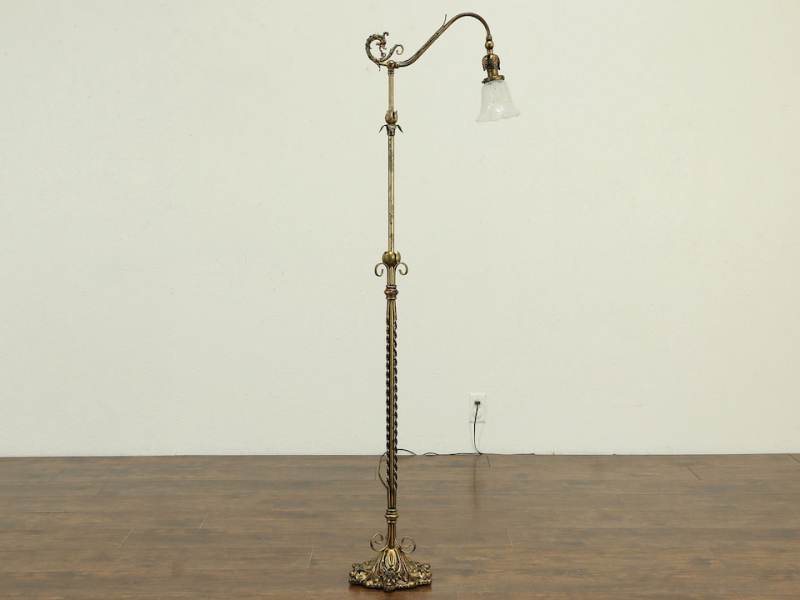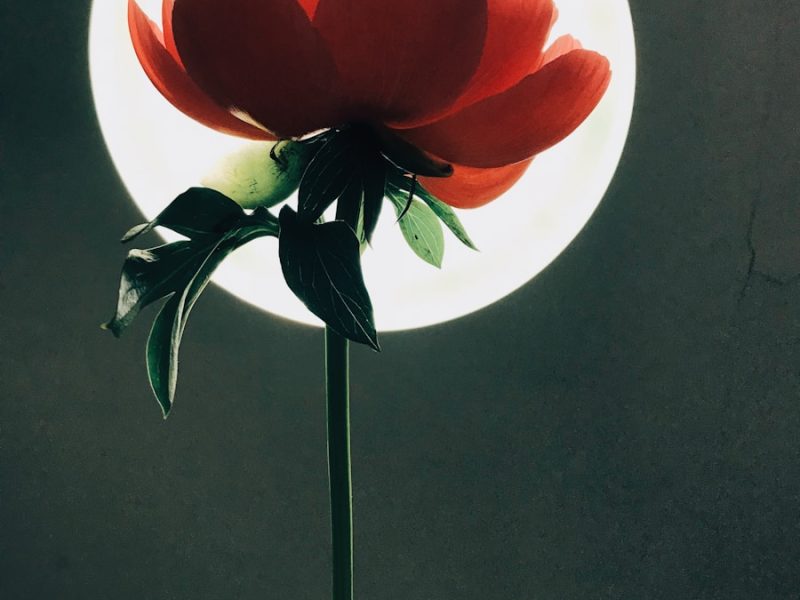
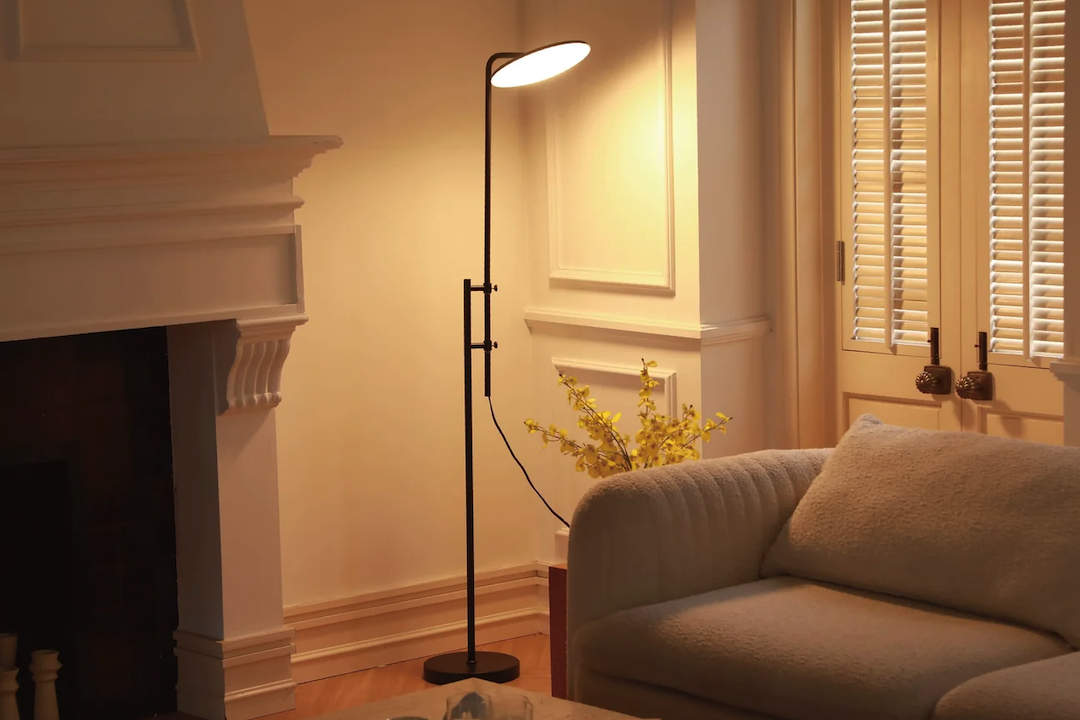
Let’s talk about making that often-overlooked living room corner a bit more special. If you’ve got a blank spot that feels a little… empty, a modern glass floor lamp might just be the answer you’re looking for. Forget the dusty old lamps of the past; contemporary glass floor lamps are sleek, stylish, and can genuinely transform a space without being overbearing. They offer versatile lighting, a touch of elegance, and a way to add personality to an area that might otherwise feel a bit forgotten.
When you think about decorating a living room corner, you probably consider a side table, a plant, or maybe even a small bookshelf. But let’s consider the vertical space. This is where a floor lamp Lamolighting comes in, and a glass one brings a unique set of advantages.
Adding Light, Not Just Illumination
A glass floor lamp isn’t just about casting light over your room. The material itself plays a crucial role. The way light interacts with glass can create diffused, ambient glows or focused beams, depending on the design.
- Softening Harsh Light: Many glass lamps feature frosted or artfully patterned glass shades that soften the light output. This is fantastic for creating a cozy atmosphere, especially in the evenings. Imagine curling up with a book where the light isn’t a blinding spotlight but a gentle, inviting pool.
- Creating Ambiance: Beyond just general brightness, the design of the glass can influence the mood. Think about lamps with colored glass inserts or those with intricate textures. They don’t just light up a room; they add a layer of visual interest and can cast interesting shadows or patterns.
Architectural Interest and Form
A well-chosen glass floor lamp can look like a piece of sculpture. Their modern designs often emphasize clean lines and elegant forms that draw the eye.
- Statement Piece Potential: Some glass floor lamps are designed to be a focal point. They might have a unique base, a striking lamp body, or a particularly eye-catching shade that makes it more than just a functional item. It becomes an integral part of your room’s aesthetic.
- Vertical Emphasis: In a corner that might feel visually crowded by furniture at ground level, a tall, slender floor lamp draws the eye upward. This can make the space feel more open and balanced, guiding your gaze and making the corner feel more intentional.
Practicality Without the Clutter
One of the biggest benefits of a floor lamp in a corner is its ability to provide light without demanding precious surface area.
- Maximizing Floor Space: Unlike a table lamp that needs a table, a floor lamp stands on its own. This means you can utilize that corner for its intended purpose – perhaps it’s next to a reading chair, where you don’t want more surfaces to clutter.
- Cord Management: While not exclusive to glass lamps, modern designs often incorporate thoughtful cord management. This means less visible clutter and a cleaner overall look, which is especially important in a sometimes-cramped corner.
Choosing the Right Type of Glass
The ‘glass’ in ‘glass floor lamp’ isn’t a single entity. Different types of glass and how they’re used will drastically alter the lamp’s effect.
Frosted Glass
This is probably the most common and versatile type of glass for floor lamps.
- Diffused Illumination: Frosted glass scatters light in all directions, creating a soft, even glow. This is excellent for general ambient lighting and helps prevent harsh shadows.
- Reduced Glare: If you find direct light from lamps a bit too intense, frosted glass is your friend. It softens the light source, making it more comfortable for your eyes, especially when you might be sitting nearby for an extended period.
- Modern Aesthetic: The clean, uniform look of frosted glass fits seamlessly into most modern decor styles, from minimalist to Scandinavian.
Clear Glass
Clear glass offers a different kind of visual appeal and light interaction.
- Showcasing the Bulb: With clear glass, especially if the bulb is exposed, the bulb itself becomes part of the design. This opens up options for decorative LED bulbs with unique filament designs or even colored bulbs for a subtle hue.
- Direct Light and Accent Features: If the design features a clear glass shade, it can direct light more precisely. If there are decorative elements within the clear glass, you’ll see them clearly, adding a subtle artistic touch.
- Reflective Qualities: Clear glass can bounce light around a room, contributing to a brighter, more open feel.
Colored or Textured Glass
This is where you can really make a statement.
- Adding a Pop of Color: Lamps with colored glass shades (think amber, cobalt blue, emerald green) can inject a vibrant accent into a neutral room. The color can be intense when the light is on, or a subtle tint when it’s off.
- Creating Mood and Atmosphere: Different colors evoke different feelings. Warm amber tones can create coziness, while cooler blues or greens might offer a more serene or sophisticated vibe.
- Visual Intrigue: Textured glass, whether it’s ribbed, bubbled, or etched, adds depth and interest. The texture can catch and refract light in unique ways, creating dynamic patterns.
Art Glass or Stained Glass Accents
For more unique and artistic pieces.
- Unique Craftsmanship: Art glass or stained glass shades are often handcrafted, making each lamp a truly individual piece.
- Light and Color Play: When illuminated, these shades create stunning displays of light and color, turning the lamp into a functional piece of art.
- Statement Piece: These are typically higher-end options but can be incredibly impactful if you’re looking for a show-stopping design element.
Design Styles to Consider
When we talk about “modern” glass floor lamps, there’s a spectrum of styles within that umbrella term. Understanding these can help you narrow down your search.
Minimalist and Sleek
This style prioritizes clean lines, simple forms, and an uncluttered aesthetic.
- Unadorned Shapes: Think geometric shapes like cylinders, spheres, or simple rectangular prisms for the glass elements. The base and stem are usually equally streamlined.
- Subtle Finishes: Metals like brushed nickel, matte black, or chrome are common, often paired with frosted or clear glass. The focus is on the overall form and the quality of light.
- Function Over Ornamentation: The beauty here is in the simplicity and efficiency of the design. These lamps blend seamlessly into a modern room without demanding attention.
Arc and C-Shaped Designs
These are popular for their functionality and visual drama.
- Reaching Over Furniture: Arc lamps are designed with a curved arm that allows the light source to extend over a sofa, armchair, or table. This is perfect for task lighting or ambient illumination without needing a side table.
- Sculptural Appeal: The sweeping curve of an arc lamp can be a striking design element in itself, adding a dynamic, sculptural quality to the corner.
- Glass Integration: The glass shade on an arc lamp might be a simple globe, a cone, or a more elaborate diffuser, often suspended at the end of the arc, balancing the weight and design.
Contemporary and Geometric
This style embraces bolder shapes and interesting angles.
- Angular Forms: Instead of smooth curves, you might see lamps with sharp edges, faceted glass, or multi-sided shades.
- Combinations of Materials: These lamps often blend glass with other modern materials like concrete, wood accents, or bold metal finishes.
- Eye-Catching Silhouettes: The overall silhouette of these lamps tends to be more attention-grabbing, making them a deliberate design choice for a modern space.
Industrial-Inspired Glass Lamps
A blend of raw materials with the elegance of glass.
- Exposed Elements: You might see exposed metal components, visible wiring (stylishly done, of course), or a more raw, unpolished texture to the metal parts.
- Glass as a Counterpoint: The glass shade provides a refined touch that softens the edgier industrial elements. Think of a clear glass dome over a metal cage, or a ribbed glass shade on a dark metal stem.
- Unique Character: These lamps bring a unique character to a corner, bridging the gap between rustic and modern.
Placement and Functionality in Your Corner
Where you put your glass floor lamp and how you use it can make a big difference. It’s more than just plugging it in.
The Reading Nook Enhancement
If your corner is dedicated to reading or relaxing, a glass floor lamp is almost a necessity.
- Task Lighting: Position the lamp so its light can be directed effectively over your reading material. Some lamps have adjustable heads or arms for this very purpose.
- Reducing Eye Strain: The right amount and quality of light are crucial for comfortable reading and preventing fatigue. A good glass floor lamp provides this without harsh glare.
- Creating a Cozy Zone: The warm, diffused light from a glass lamp can make your reading nook feel extra inviting and secluded.
The Accent Lighting Role
Sometimes, you just want to highlight a feature or add a touch of warmth to a less-used corner.
- Highlighting Artwork or Plants: If there’s a piece of art, a striking plant, or an interesting architectural feature in your corner, a floor lamp can draw attention to it.
- Adding Depth and Dimension: A well-placed light source can create shadows and highlights, making a flat corner feel more dynamic and three-dimensional.
- Ambient Glow: Even if the corner isn’t actively used for a specific task, a soft glow from a floor lamp can make the entire room feel more welcoming and complete.
Balancing with Other Furniture
Consider how the lamp will interact with any other furniture in or near the corner.
- Scale and Proportion: Ensure the lamp’s height and width are proportionate to any chairs, tables, or other items. An overly large lamp can overwhelm a small chair, while a tiny lamp might get lost next to a substantial sofa.
- Flow and Traffic: Make sure the lamp doesn’t obstruct pathways or feel like a tripping hazard. Consider the extent of any arc or the base size.
- Visual Weight: Think about how the lamp “feels” in the space. A slim, tall lamp might feel lighter than a short, bulky one, influencing the overall balance of the corner.
Considerations Beyond Aesthetics
While style is important, there are practical aspects to think about before you buy.
Bulb Type and Brightness (Lumens)
The light bulb is the heart of your lamp, and the glass shade influences how it performs.
- LED Compatibility: Most modern floor lamps are designed for LED bulbs. They’re energy-efficient, long-lasting, and come in various color temperatures.
- Color Temperature (Kelvin): For a cozy living room feel, aim for bulbs in the 2700K-3000K range (warm white). Higher Kelvin values will produce cooler, more bluish light.
- Brightness (Lumens): Consider how much light you actually need. For general ambiance, lower lumens are fine. For task lighting, you’ll want more. The glass shade will diffuse the light, so you might need slightly more lumens than you would for an exposed bulb.
Material Quality and Durability
Not all glass is created equal, and the frame matters too.
- Thickness of Glass: Thicker glass shades are generally more robust. Be mindful of potential chips or cracks, especially with thinner artisanal glass.
- Frame Construction: Look for sturdy metal frames (steel, aluminum) or high-quality wood. Wobbly bases or flimsy stems aren’t ideal.
- Finish Longevity: Check reviews or product descriptions for information on how well the metal finishes hold up to wear and tear.
Cord Length and Switch Placement
These might seem minor, but they can impact usability.
- Reach to Outlet: Ensure the cord is long enough to comfortably reach your nearest electrical outlet without being stretched taut or requiring an extension cord.
- Switch Type: Are you looking for a foot switch on the cord, a switch located on the stem, or a dimmer control? Consider what’s most convenient for your placement.
- Cord Color: Some lamps offer cords in different colors or are designed for discreet routing. This can contribute to a cleaner look.
Maintaining Your Glass Floor Lamp
Glass is beautiful but requires a little care. Keeping your lamp looking its best is straightforward.
Cleaning the Glass Shade
Regular dusting is usually sufficient, but occasional deeper cleaning is beneficial.
- Soft, Damp Cloth: For routine dusting, a dry microfiber cloth is excellent. For fingerprints or smudges, use a soft cloth lightly dampened with water or a mild, non-ammonia glass cleaner.
- Avoid Harsh Chemicals: Strong cleaners can damage certain types of glass or finishes. Always test any cleaner on an inconspicuous spot first.
- Dry Thoroughly: After cleaning, ensure the glass is completely dry to prevent water spots.
Caring for the Frame and Base
The base and stem of your lamp also need attention.
- Material-Specific Care: The best way to clean depends on the material. For metal finishes, a soft cloth is usually best. For wood elements, use a wood cleaner appropriate for the finish.
- Avoid Abrasive Materials: Don’t use scouring pads or abrasive cleaning agents, as they can scratch the finish.
- Tighten Loose Components: Periodically check if any screws or connections on the frame or base have loosened and tighten them gently.
Bulb Replacement Tips
When it’s time to change a bulb, a few things to keep in mind.
- Unplug First: Always unplug the lamp before attempting to change the bulb. Safety first!
- Allow to Cool: If the bulb has been on, let it cool down completely before touching it.
- Check Bulb Type: Ensure you’re replacing it with the correct type and wattage, as indicated by the lamp manufacturer.
By considering these points, you can confidently select and enjoy a modern glass floor lamp that not only lights up your living room corner but also adds a touch of sophisticated style.