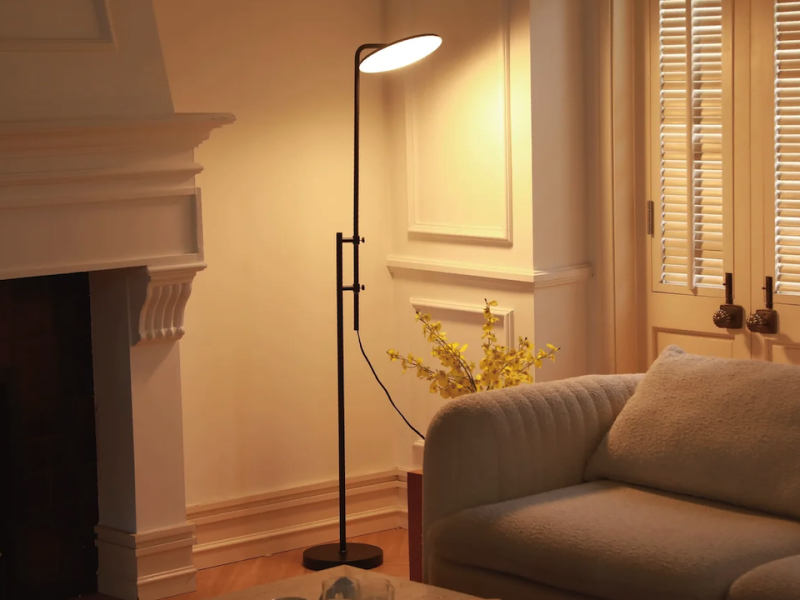
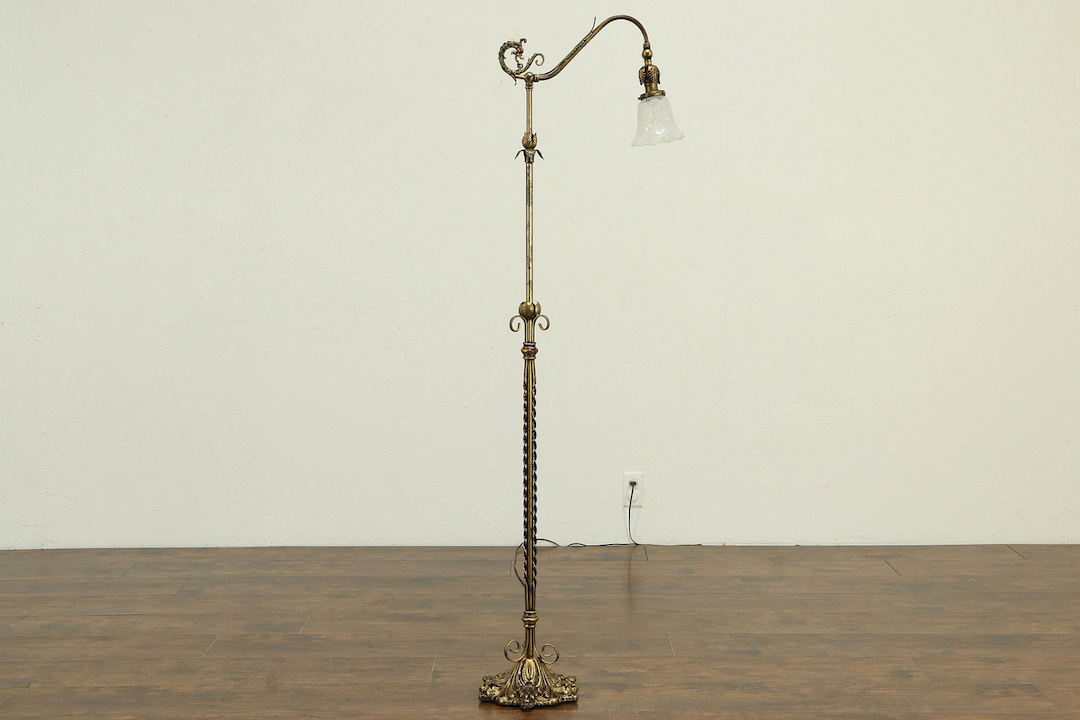
Looking for a lamp that combines style with practicality for your reading nook? A vintage glass standing lamp is a solid choice. These lamps offer a classic aesthetic and often provide excellent, focused illumination, making them ideal for reading. They’re built to last and can add a sense of history and character to your decor without being overbearing.
When we talk about vintage glass lamps Homehubz for reading, we’re often considering a few key characteristics that make them particularly effective. It’s not just about how they look, though that’s a big part of the appeal.
Diffusion and Warmth of Light
One of the main benefits of glass shades is their ability to diffuse light. Unlike opaque shades that cast a very sharp, sometimes harsh, downward beam, glass can soften the light while still directing it. This creates a softer, more even glow that’s less strenuous on your eyes over long reading sessions. Think about the difference between a bare bulb and one covered by a frosted glass globe; the latter is much more pleasant for prolonged tasks.
Glass also tends to lend a certain warmth to the light, even with modern LED bulbs. Clear or lightly tinted glass, applied correctly, can make a room feel cozier and more inviting than a purely utilitarian light source. This warmth is conducive to relaxation, which is often what we seek when settling down with a good book.
Durability and Longevity
Glass is a resilient material. Unlike many fabric or paper shades that can fray, tear, or discolor over time, glass, when cared for appropriately, maintains its integrity and appearance for decades. A vintage glass lamp has already proven its durability simply by existing for many years. This means you’re investing in something that isn’t likely to need replacement anytime soon, making it a sustainable and cost-effective choice in the long run.
Moreover, if there are minor scratches or imperfections, these often add to the lamp’s vintage character rather than detracting from it, unlike similar damage on newer, mass-produced items where flaws are immediately noticeable and jarring.
Popular Styles and Where to Find Them
Vintage glass standing lamps come in a variety of styles, reflecting different eras and design movements. Understanding these can help you narrow down your search and find something that truly resonates with your home’s aesthetic.
Art Deco Lamps
Art Deco lamps, primarily from the 1920s and 30s, are characterized by geometric patterns, streamlined forms, and a sense of luxury. You’ll often find frosted, etched, or colored glass, sometimes with intricate motifs. These lamps often feature metal bases, typically brass, chrome, or bronze, which complement the glass shades beautifully.
For reading, an Art Deco lamp might have a downward-facing shade that directs light effectively, or a broader, upward-facing bowl that reflects light off the ceiling, providing softer ambient illumination. Look for tall, slender designs that can tuck neatly beside a chair.
Mid-Century Modern Lamps
Mid-century modern lamps (1940s-1960s) often feature simpler lines, organic shapes, and a focus on functionality. Glass shades from this era might be spherical, conical, or mushroom-shaped, often in iridescent or opal glass. Materials like teak, walnut, and sometimes painted metals are common for the bases.
These lamps frequently incorporate adjustable features – think swing arms or height-adjustable poles – which are incredibly useful for reading. The emphasis on adaptability means you can direct the light exactly where you need it, a practical feature for any reading enthusiast.
Victorian/Edwardian Lamps
Moving further back, Victorian and Edwardian lamps (late 19th to early 20th century) are generally more ornate. They may feature stained glass, etched glass, or intricate leaded designs, reminiscent of Tiffany lamps. The bases are often heavy, made from cast iron, bronze, or polished wood, and can be quite decorative with filigree or sculptural elements.
While some of these lamps can be quite large and decorative, smaller versions with focused shades exist and can be charming additions to a classical interior. The diffused light from stained or frosted glass can be quite pleasant for reading, though the light output might be somewhat lower due to the coloring.
Where to Look for Vintage Finds
Finding these gems requires a bit of patience and knowing where to search.
Antique Stores and Flea Markets
These are classic hunting grounds. The advantage here is that you can inspect the lamp in person, check for cracks, wiring issues, and overall condition. Don’t be afraid to haggle respectfully, especially if you spot minor imperfections. Many small antique shops curate their collections, meaning you might find something unique and well-maintained.
Online Marketplaces
Websites like eBay, Etsy, and dedicated vintage furniture sites (e.g., 1stDibs, Chairish) offer a vast selection. The downside is you can’t physically examine the item before purchase, so detailed photos, accurate descriptions, and clear communication with the seller are critical. Always ask specific questions about wiring, glass condition, and dimensions. Pay attention to seller reviews.
Estate Sales and Auctions
These can be treasure troves for unique and often well-priced vintage items. You might find a whole house full of items, including lamps. Auctions, both online and in-person, can offer competitive pricing, but you need to be prepared to decide quickly and stick to a budget. Previewing items beforehand is advisable if possible.
What to Look For: Practical Considerations
Beyond aesthetics, there are several practical aspects to consider when choosing a vintage glass standing lamp for reading. These factors directly impact its functionality and safety.
Wiring and Electrical Safety
This is paramount. Old wiring can be dangerous, presenting fire hazards or electric shock risks.
Assessing the Wiring
When inspecting a vintage lamp, look for frayed cords, cracked insulation, or exposed wires. If the plug is two-pronged and very old (often brown or black hard rubber), it likely has outdated wiring. Vintage lamps often come with their original wiring, which may not meet current safety standards.
Rewiring Options
Many beautiful vintage lamps will need rewiring. This is a common and relatively inexpensive process, and it significantly extends the life and safety of the lamp. You can do this yourself if you have basic electrical knowledge and confidence, but for peace of mind, hiring a qualified electrician or a lamp repair specialist is recommended. They can also upgrade the socket and switch if needed. Remember, this cost should be factored into the overall price of the lamp.
Stability and Height
A reading lamp needs to be stable and appropriately sized for your space and preferred reading position.
Base Weight and Lamp Dimensions
A heavy, stable base is crucial for a standing lamp, particularly if it has a delicate glass shade. You don’t want it tipping over easily. Consider the overall height of the lamp in relation to your reading chair or sofa. Ideally, the light source should be positioned such that it illuminates your book without casting shadows from your head or shoulder, and without glaring directly into your eyes.
Adjustable Features
Some vintage lamps come with adjustable height settings or swing arms. These features significantly enhance the lamp’s utility as a reading light, allowing you to customize the light’s position for maximum comfort. If the lamp doesn’t have these, ensure its fixed height is appropriate for your typical reading setup. Measure your chair and common reading positions to get a sense of the ideal lamp height.
Glass Type and Light Output
The type of glass directly affects the quality and amount of light emitted.
Clear vs. Frosted vs. Stained Glass
- Clear glass offers the most direct and brightest light. It’s often paired with clear bulbs for crisp illumination.
- Frosted or opal glass diffuses light, making it softer and more evenly spread. This is generally preferred for reading as it reduces harsh shadows and glare.
- Stained or colored glass provides ambient light but significantly reduces the overall brightness. While beautiful, it might not be the best choice for intense reading tasks unless augmented by other light sources.
Bulb Compatibility
Older lamps were designed for incandescent bulbs. While many can accommodate LED bulbs (which are far more energy-efficient and generate less heat), it’s wise to confirm compatibility. Some very old dimming switches might not work correctly with modern LEDs, and some multi-socket fixtures might require specific LED types. Look for LED bulbs that mimic the warmth and color temperature of traditional incandescents (around 2700K-3000K) for a cozy reading environment.
Integrating it into Your Space
A vintage glass standing lamp isn’t just a functional item; it’s also a decorative element that can enhance your room’s character.
Complementing Existing Decor
The beauty of vintage items is their ability to add depth and interest to a room.
Mixing Old and New
You don’t need an entirely vintage-themed room to incorporate a vintage lamp. In fact, placing an Art Deco lamp in a modern minimalist space can create a compelling visual contrast that’s refreshing and stylish. The key is balance. If your sofa is sleek and contemporary, a lamp with some ornate details can introduce a touch of warmth and history without feeling out of place.
Consider the dominant materials and colors in your room. If you have lots of wood, a brass or bronze-based lamp might fit perfectly. If your decor leans towards metallics, a chrome-based Art Deco lamp could be a good match. The goal is to create harmony, not necessarily uniformity.
Creating a Focal Point
A distinctive vintage lamp can easily become a focal point in your reading nook or living area. Its unique design and historical context can draw the eye and spark conversation. Position it strategically beside your favorite armchair, perhaps with a small side table that complements its style. Ensure it doesn’t get lost among other pieces of furniture or decor.
Placement for Optimal Reading
Where you place your lamp is as important as the lamp itself.
The Reading Nook
This is the most obvious spot. Position the lamp slightly behind and to the side of your dominant reading shoulder. This minimizes shadows cast by your head and hands onto your book. For right-handed readers, place the lamp on the left; for left-handed readers, place it on the right. The height should allow the light to shine directly onto your reading material without causing glare on the page or in your eyes.
Ambient Lighting Considerations
While the lamp is primarily for reading, it also contributes to the room’s overall ambient light. If your glass shade provides some upward light, it can soften the room’s general illumination, creating a more relaxed atmosphere. Avoid having the reading lamp be the only light source in the room, as this can create too much contrast and strain your eyes when you look away from your book. A layered lighting approach, combining ambient, task, and accent lighting, is often the most comfortable and visually appealing.
Maintenance and Care
Keeping your vintage glass lamp in good condition ensures its longevity and continued beauty.
Cleaning Glass Shades
Glass shades are generally easy to clean, but care needs to be taken, particularly with older, more delicate glass.
Gentle Cleaning Methods
For clear or frosted glass, a soft cloth dampened with warm water and a mild, non-abrasive cleaner (like ordinary dish soap) usually suffices. Avoid harsh chemical cleaners, as these can strip finishes or etch certain types of glass. Always unplug the lamp first. For etched or textured glass, use a soft brush to get into crevices. Dry thoroughly with a clean, lint-free cloth to prevent water spots.
If you have a stained-glass shade, be even more gentle. Use a very lightly dampened cloth, avoiding excessive moisture which can loosen the lead came or putty. Never submerge stained glass. For very old or delicate pieces, a professional cleaning might be a safer option.
Base and Fixture Care
The base and metal fixtures also need attention, depending on their material.
Polishing and Protecting
- Brass/Bronze: These metals can tarnish over time. Use a specialized brass or bronze polish sparingly according to product instructions. A soft cloth and gentle buffing will restore their luster. Avoid getting polish on the glass.
- Chrome: Chrome is generally easy to clean with a damp cloth and mild soap. Buff dry to prevent water spots and maintain its shine. A dedicated chrome cleaner can remove tougher marks.
- Wood: Wooden bases can be cleaned with a furniture polish or a wood-specific cleaner. Look for products that nourish the wood and protect its finish. Avoid excessive moisture.
Always ensure the lamp is unplugged before undertaking any cleaning or polishing of the base or fixtures. Regular, gentle cleaning goes a long way in preserving the beauty and functionality of your vintage glass standing lamp, allowing it to provide elegant illumination for many more years to come.