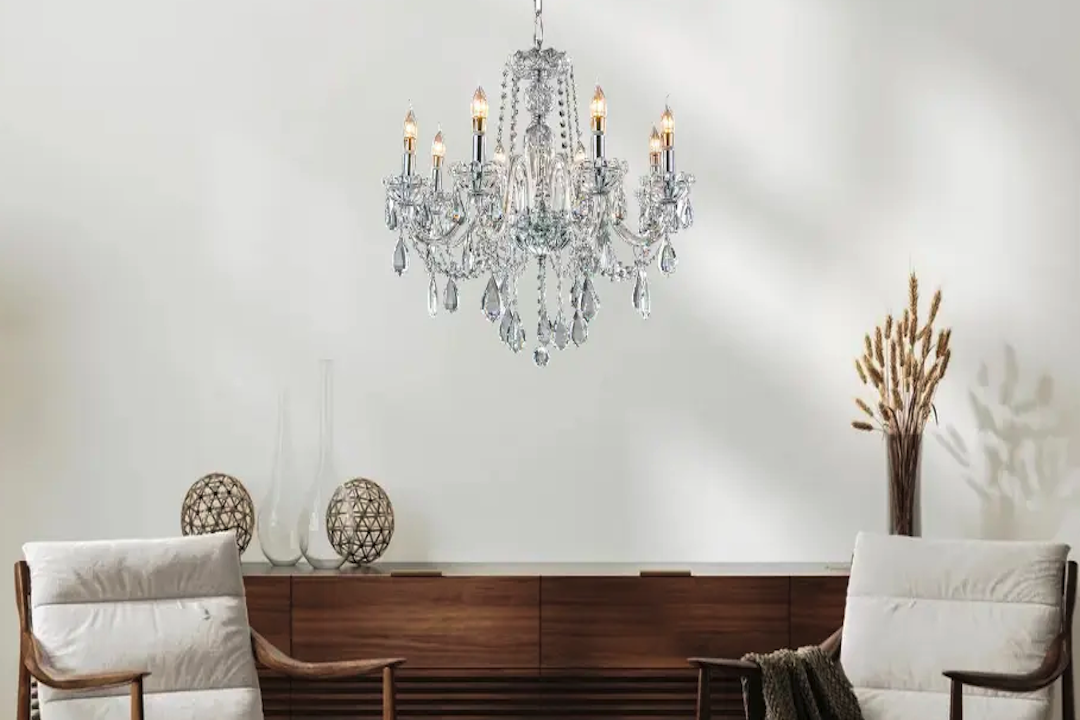
When it comes to lighting up a space with a touch of history and grandeur, Victorian chandeliers are often the first thing that comes to mind. These aren’t just light fixtures; they’re intricate pieces of art that capture the design sensibilities of an era known for its attention to detail and opulent aesthetics. If you’re looking to bring a sense of established beauty and historical character into your home, a Victorian chandelier can be a compelling choice, offering both illumination and a significant decorative statement.
Victorian chandeliers 1homedesign reflect the broad and complex design period of Queen Victoria’s reign, spanning from 1837 to 1901. This era saw a significant shift in manufacturing capabilities, the rise of the middle class, and a renewed interest in historical styles. As a result, Victorian chandeliers are not a monolithic category but rather a diverse collection of designs, each with its own nuances.
Key Characteristics
Victorian chandeliers share some common threads that set them apart. They are typically elaborate, often featuring multiple tiers, numerous arms, and a generous amount of ornamentation. Materials like brass, bronze, crystal, and sometimes even iron were favored. The overall impression is one of substantiality and visual richness.
Influence of Design Movements
The Victorian era absorbed and reinterpreted various historical styles. Gothic Revival, Rococo Revival, Neoclassical, and later, Art Nouveau movements all left their mark on chandelier design. This eclecticism is a hallmark of the period, meaning you can find Victorian chandeliers that range from relatively austere to incredibly ornate.
The Materials and Craftsmanship
The construction of a Victorian chandelier is a testament to the manufacturing and artistic practices of its time. These were not mass-produced items in the modern sense but often involved skilled artisans and precise techniques.
Metals: Brass and Bronze
Brass was a predominant material due to its malleability and ability to be cast into intricate forms. It polishes to a warm, inviting glow. Bronze, with its darker, richer patina, also found favor, particularly for more robust and imposing designs. The metalwork often features intricate scrollwork, acanthus leaves, and other decorative motifs.
Crystal Embellishments
Crystal played a significant role in elevating the grandeur of Victorian chandeliers. Crystals were cut and polished to refract and reflect light, creating a dazzling display. Different types of crystal cuts, from simple prisms to more complex facets, were used to achieve various glittering effects. The arrangement of crystals – cascading, draped, or forming intricate patterns – was carefully considered.
Glass Shades and Globes
While many Victorian chandeliers prominently feature bare bulbs or candles, some also incorporated glass shades or globes. These could be etched, frosted, or tinted, adding another layer of aesthetic appeal and diffusing the light more softly. Gasolier-style chandeliers, designed for gas lighting, often featured prominent glass shades.
Historical Context and Evolution
To truly appreciate a Victorian chandelier, it helps to understand its place in history and how its design evolved over the decades.
From Candles to Gas to Electricity
Early Victorian chandeliers were designed to hold candles. As the 19th century progressed, gas lighting became more prevalent, leading to the development of gasoliers – chandeliers adapted for gas pipes. These often featured distinctive glass shades to contain the flames and direct the light. Towards the end of the century, with the advent of practical electric lighting, chandeliers underwent another transformation, incorporating electrical wiring and incandescent bulbs. This evolution is often visible in antique pieces, where you might see elements adapted from earlier forms.
Changes in Scale and Form
As homes grew larger and architectural styles shifted, so did the size and complexity of chandeliers. Early Victorian pieces might be somewhat more restrained, while later examples often grew in scale and opulence, reflecting a desire for greater show and grandeur in public and private spaces. The influence of various revivals also meant that forms could vary widely, from gothic-inspired archways to more flowing and naturalistic shapes.
Integrating a Victorian Chandelier into Modern Spaces
While Victorian chandeliers are steeped in history, they are not confined to period homes. With thoughtful consideration, they can be successfully incorporated into a range of contemporary interiors, adding character and a unique focal point.
Juxtaposition with Contemporary Design
One effective approach is to create a striking contrast. Placing an ornate Victorian chandelier in a minimalist or industrial-style room can create an unexpected and sophisticated dynamic. The chandelier becomes a piece of art that challenges the clean lines and modern materials, adding a layer of visual interest and historical depth. This contrast can highlight both the old and the new.
Enhancing Traditional and Transitional Interiors
Naturally, Victorian chandeliers feel right at home in more traditional or transitional settings. In a space with period furniture, architectural moldings, or classic color palettes, a Victorian chandelier can seamlessly enhance the existing aesthetic, providing an authentic touch that ties the room together. It reinforces the sense of established elegance.
Considerations for Placement and Scale
The size of the chandelier relative to the room is crucial. A grand Victorian chandelier in a small room can feel overwhelming, while a petite one in a vast space might get lost. Consider the height of your ceilings and the overall dimensions of the room. As a general guideline, the diameter of the chandelier should be roughly one-half to two-thirds the width of the room. The bottom of the chandelier should typically hang at least 7 feet from the floor in walking areas to avoid obstruction. For dining tables, it can hang lower, usually around 30-36 inches above the tabletop.
Maintenance and Care for Longevity
Victorian chandeliers, whether antique or reproduction, represent an investment. Proper maintenance and care are essential to ensure their beauty and structural integrity for years to come.
Regular Dusting and Cleaning
Dust accumulates on everything, and chandeliers are no exception. Regular, gentle dusting with a soft, lint-free cloth or a feather duster can prevent buildup. For crystal elements, a specialized crystal cleaner, or a solution of mild soap and distilled water, can be used sparingly. Always turn off the power to the fixture before cleaning.
Professional Restoration and Repair
For antique Victorian chandeliers, professional restoration might be necessary. This could involve re-wiring to meet modern safety standards, repairing damaged metalwork, or replacing missing crystal pieces. A skilled restorer can bring an old fixture back to its former glory without compromising its historical value. Avoid attempting complex repairs yourself unless you have the expertise.
Bulb Selection
The type of light bulb you choose can significantly impact the chandelier’s appearance and the overall ambiance of the room. While antique chandeliers were designed for incandescent bulbs, modern LED filament bulbs can mimic the warm glow of traditional bulbs while being more energy-efficient and long-lasting. Look for bulbs with a warm color temperature (around 2700K) to maintain the authentic feel. Dimmable bulbs are also an excellent option for creating versatile lighting moods.
In conclusion, a Victorian chandelier is more than just a light source; it’s a piece of history, a work of art, and a powerful decorative element. Its elaborate design, rich materials, and connection to a bygone era make it a classic choice for those seeking to infuse their homes with timeless elegance and a sense of refined grandeur. With careful selection and proper care, a Victorian chandelier can be a cherished focal point for generations.