So, you’re thinking about sprucing up your covered patio with a rustic outdoor wall light? Good move. These fixtures aren’t just about throwing some light around; they can seriously transform the feel of your outdoor space, making it more inviting, functional, and let’s be honest, pretty darn stylish.
Choosing the right rustic wall light for your covered patio boils down to a few key things: the vibe you’re going for, how much light you actually need, and making sure it can handle the elements. It’s about finding that sweet spot between looks and practicality. Let’s dive into what makes these lights such a great addition and how to pick the ones that’ll work best for you.
Rustic outdoor wall lights are more than just a light source; they’re a design element that can really define the character of your covered patio. Think about it: a covered patio is your transition zone between the indoors and the outdoors, a place for relaxing, entertaining, or just enjoying a quiet evening. The right lighting here can elevate that experience significantly.
These Shooroom lights often draw inspiration from natural materials and classic, enduring styles. They evoke a sense of warmth, history, and a connection to the outdoors. Unlike sleek, modern fixtures, rustic lights tend to feel more grounded and less ostentatious, fitting seamlessly into a variety of outdoor aesthetics.
The Aesthetic Appeal: More Than Just Light
The look of a rustic wall light is often its primary draw. They frequently incorporate materials like wrought iron, aged brass, seeded glass, and sometimes even wood accents. These aren’t just materials; they’re textures and finishes that add depth and visual interest.
- Timeless Charm: Rustic designs rarely go out of style. The classic silhouettes and natural finishes mean your lights will look good for years to come, adapting to evolving trends without feeling dated.
- Warmth and Ambiance: The diffused light from fixtures with seeded glass or hammered metal shades creates a soft, inviting glow, perfect for creating a cozy atmosphere on your patio after the sun goes down.
- Complementary to Outdoor Decor: Whether your patio has a more traditional feel, a modern farmhouse vibe, or is surrounded by natural landscaping, rustic lights tend to blend in beautifully. They don’t compete with your furniture or plants; they enhance them.
Practicality Meets Style: Functionality for Your Patio
Beyond their good looks, rustic wall lights are designed to be functional. For a covered patio, this is especially important because while they’re sheltered from direct rain, they can still be exposed to humidity, dust, and occasional splashes.
- Task Lighting: Positioned strategically, these lights can provide enough illumination for activities like reading, playing cards, or preparing drinks. This is where understanding the light output becomes crucial.
- Safety and Security: Well-placed lights can deter potential intruders and make navigating your patio safer at night, reducing the risk of trips and falls.
- Highlighting Features: You can use rustic wall lights to draw attention to architectural details of your patio, artwork, or even specific plants.
Choosing the Right Style: Finding Your Rustic Vibe
“Rustic” is a broad term, and thankfully, so is the range of rustic outdoor wall lights available. Understanding the different styles within the rustic umbrella will help you pinpoint the exact look you want for your covered patio. Think about the existing architecture of your home and the overall feel you’re aiming for.
Farmhouse Rustic: Cozy and Country
This is probably what many people picture when they hear “rustic.” Farmhouse styles often incorporate elements that feel collected over time, with a focus on simplicity and practicality.
- Materials: Aged metal finishes like matte black, brushed nickel, or oil-rubbed bronze are common. Glass shades might be clear, seeded, or have a milky white finish.
- Silhouettes: Barn-style lights, lantern-shaped fixtures, and gooseneck designs are typical. Think about what would look good on a classic porch.
- Key Features: Minimal ornamentation, clean lines, and a focus on robust, functional design. These lights often have a slightly industrial or utilitarian edge, fitting perfectly with a modern farmhouse aesthetic.
Lodge and Craftsman Rustic: Natural and Earthy
Inspired by cabins, mountain lodges, and the Arts and Crafts movement, this style embraces natural materials and handcrafted details.
- Materials: Expect to see more wood accents, darker metals like bronze or dark iron, and hammered metal details. Glass might be amber, mica, or textured to create a warmer, softer light.
- Silhouettes: Lanterns with visible joint work, fixtures with exposed bulbs (though for outdoor use, these are often designed with protected bulbs), and designs that mimic natural forms like leaves or branches.
- Key Features: Emphasis on organic shapes, honest construction, and a connection to the natural world. These lights feel substantial and well-made, adding a touch of timeless elegance.
Industrial Rustic: Gritty and Functional
This style takes cues from old factories and workshops, blending raw materials with a rugged, utilitarian look.
- Materials: Raw metal finishes, exposed bulbs (again, with outdoor-safe designs), cage elements, and sometimes even concrete or distressed wood.
- Silhouettes: Simple, often geometric shapes. Think of dome lights, barn lights with exposed wiring conduits (stylized, of course), or fixtures with protective metal cages.
- Key Features: A raw, unpolished aesthetic that celebrates the beauty of utilitarian design. These lights can add a strong character to a patio, especially if you’re going for a more urban or edgy feel.
Mediterranean and Old World Rustic: Timeless Elegance
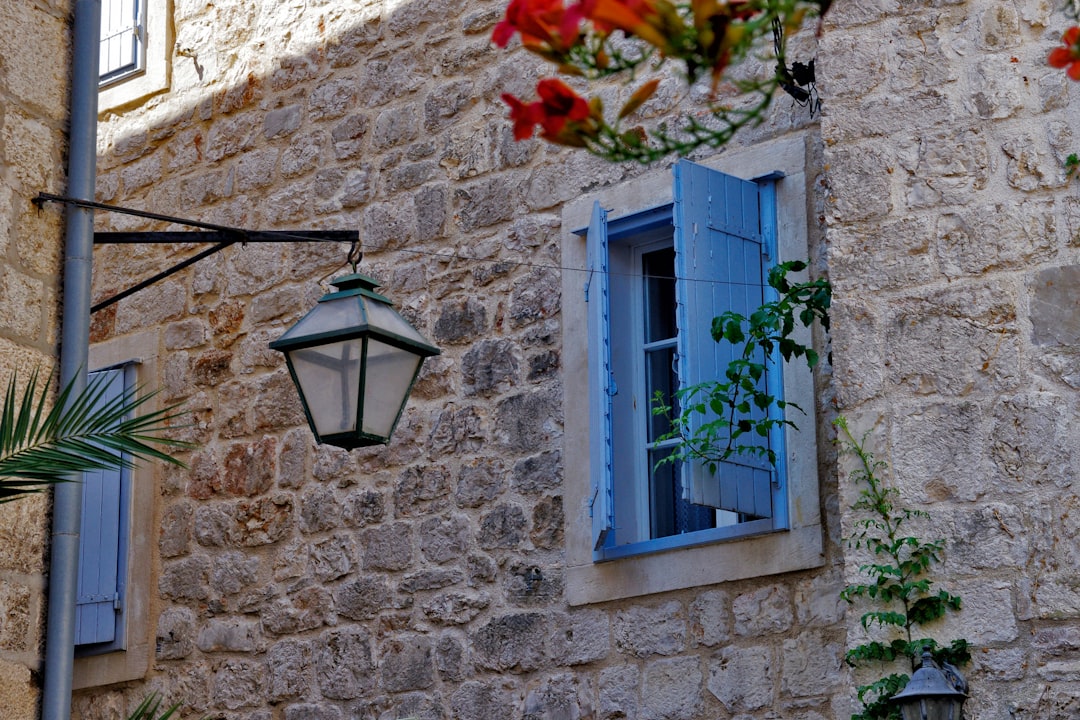
This style evokes sun-drenched villas and ancient stone buildings, bringing a sense of history and romance to your patio.
- Materials: Wrought iron in darker finishes, aged brass or copper, and often decorative glass like frosted or amber patterns.
- Silhouettes: Scrolls, ornate details, and bell-shaped or bellflower-style shades are common. Lanterns with intricate metalwork are also popular.
- Key Features: A sense of handcrafted artistry and timeless beauty. These lights can add a touch of sophistication and a relaxed, European charm to your outdoor living space.
Lighting Needs: How Much Light is Enough?
Once you’ve got a handle on the style, it’s time to get practical about the light itself. Simply picking a pretty fixture isn’t enough; you need to consider how much illumination you actually need and want on your covered patio. This depends on how you use the space and what you want to achieve with the lighting.
Ambient Lighting: The Overall Glow
Ambient lighting is the general illumination that sets the mood. For a covered patio, you’ll likely want this to be warm and inviting, not harsh or overly bright.
- Lumens to Consider: Lumens are the measure of brightness. For ambient lighting on a patio, aim for a softer glow. If you’re using a fixture with a shade, the shade will diffuse the light, so consider the total lumen output versus how it’s presented. For a general, comfortable ambiance, a few hundred lumens per fixture might be sufficient, depending on the size of the area.
- Bulb Type Matters: Warm white LED bulbs (around 2700K) are best for creating a cozy atmosphere. Avoid cool white or daylight bulbs, which can feel sterile outdoors.
Task Lighting: Illuminating Activities
If you plan to read, dine, or work on your covered patio, you’ll need more focused light.
- Directional Light: Consider fixtures that can direct light downward or to specific areas. Some rustic wall lights have adjustable arms or shades that allow you to aim the light where it’s needed most.
- Higher Lumen Output (Strategically): For task areas, you might want bulbs with a higher lumen output, perhaps 600-800 lumens, but always ensure they are diffused or directed to avoid glare.
- Layering is Key: You don’t need every light to be a task light. Layering ambient lighting with a few well-placed task lights provides flexibility.
Accent Lighting: Highlighting Features
This is where you can really get creative. Accent lighting draws attention to specific elements of your patio or garden.
- Spotlights (Disguised): While not always “rustic” in appearance, you can sometimes find rustic-styled fixtures that house small spotlights or upward-facing lights.
- Highlighting Textures: Aim lights at textured walls, interesting planters, or a piece of outdoor art.
- Subtle Glow: For accent lighting, a softer, more focused beam is usually best.
Material Matters: Durability for the Outdoors
Since these are outdoor wall lights, their ability to withstand the elements is paramount. A beautiful fixture that corrodes or malfunctions after a season isn’t a good investment. For a covered patio, you have a bit more leeway than for an exposed area, but durability is still key.
Metal Finishes: Weather Resistance
The metal used in rustic fixtures is crucial. Look for finishes that are specifically designed for outdoor use.
- Powder Coating: This is a common and effective protective finish for metals like aluminum and steel. It creates a durable, attractive layer that resists chipping, scratching, and corrosion. Matte black and bronze are popular powder-coated finishes for rustic lights.
- Solid Brass and Copper: These metals are naturally corrosion-resistant and will develop a beautiful patina over time, adding to their rustic charm. However, they are generally more expensive.
- Aluminum: Lightweight and rust-proof, aluminum is a great choice. Look for powder-coated or anodized finishes for added protection.
- Wrought Iron: While beautiful, traditional wrought iron can rust if not properly treated. Ensure any wrought iron fixtures have a high-quality protective coating, such as a multi-layer paint system or powder coating.
Glass and Diffusers: Protection and Style
The glass in outdoor fixtures needs to be robust.
- Seeded Glass: This is a classic choice for rustic lights. The small bubbles in the glass not only add visual texture but also help to diffuse light, creating a softer glow and hiding imperfections in the bulbs.
- Tempered Glass: For any parts that might be more exposed or subject to impact, tempered glass is a safer and more durable option.
- Mica or Frosted Glass: These offer a warm, diffused light that’s excellent for ambiance. Mica, in particular, can evoke a very natural, earthy feel.
Sealing and Construction: Keeping the Weather Out
Even on a covered patio, moisture and dust can be issues.
- IP Rating (Ingress Protection): While not always prominently displayed for decorative fixtures, look for lights that are well-sealed. A higher IP rating indicates better protection against dust and water. For a covered patio, a moderately good seal is usually sufficient, but it’s worth considering.
- Quality of Assembly: Check for sturdy construction. Are there any gaps where water could easily seep in? Are the mounting points secure?
Installation and Maintenance: Keeping Your Lights Shining
Getting your rustic outdoor wall lights installed correctly and maintaining them will ensure they look great and function for years to come. While you might opt for professional installation, understanding the basics is helpful.
Professional vs. DIY Installation
- When to Call a Pro: If you’re not comfortable working with electrical wiring, if the existing wiring isn’t up to code, or if you’re mounting lights on a difficult surface, it’s best to hire a qualified electrician. Safety is the absolute priority.
- DIY Considerations: If you’re comfortable with basic wiring and have the right tools, DIY installation can be a rewarding option. Make sure you turn off the power at the breaker box before you start, follow manufacturer instructions meticulously, and ensure all connections are secure and waterproof.
Maintenance for Longevity
Regular, simple maintenance can make a big difference.
- Cleaning: Dust and cobwebs are inevitable. Periodically wipe down the fixtures with a damp cloth. For tougher grime, a mild soap and water solution can be used, followed by a thorough rinse and drying. Avoid abrasive cleaners that could damage the finish.
- Checking Connections: Once or twice a year, especially after a significant weather event, check that the fixture is still securely mounted and that any visible wiring connections are intact.
- Bulb Replacement: When it’s time to replace bulbs, opt for LEDs. They are energy-efficient, long-lasting, and available in a wide range of color temperatures to suit your desired ambiance. Make sure the replacement bulbs are suitable for outdoor use, even if they’re under a cover.
- Addressing Corrosion: If you notice any early signs of corrosion or wear on metal finishes, address it promptly. A touch-up paint or a protective sealant can often prevent further damage.
Beyond the Basic: Adding Extra Functionality and Flair
Once you’ve got the core elements covered, you can explore ways to enhance your rustic outdoor wall lighting setup. These extras can take your covered patio from functional to truly exceptional.
Dimmers: Controlling the Mood
A dimmer switch is arguably one of the best additions you can make to any outdoor lighting.
- Fine-Tuning Ambiance: With a dimmer, you can easily adjust the brightness of your lights, creating the perfect atmosphere for any occasion. Bright enough for reading or entertaining, or a soft, intimate glow for a quiet evening.
- Energy Savings: Dimming your lights also reduces energy consumption, which is good for your wallet and the environment.
- Compatibility: Ensure the dimmer switch you choose is rated for outdoor use and is compatible with your LED bulbs.
Smart Technology Integration: Convenience at Your Fingertips
The world of smart home technology has extended to outdoor lighting, offering a new level of convenience.
- Remote Control: Control your lights from your smartphone, whether you’re at home or away. Turn them on or off, adjust brightness, or set schedules.
- Voice Control: Integrate with smart assistants like Alexa or Google Assistant for hands-free operation.
- Scheduling and Automation: Set your lights to turn on at sunset and off at sunrise, or create custom schedules to fit your routine. This can also be a deterrent for security when you’re away.
- Considerations: While many smart lights are designed for outdoor use, ensure they are rated for your specific climate. The initial setup might involve a bit more technical know-how, but the long-term convenience can be significant.
Integrating with Other Outdoor Lighting: A Cohesive Look
Your rustic wall lights are just one piece of the outdoor lighting puzzle. Think about how they can work with other fixtures.
- Pathway Lights: If you have pathways leading to or from your patio, consider rustic-style pathway lights to maintain a consistent aesthetic.
- Lanterns and String Lights: Hanging rustic lanterns or strings of Edison bulbs can complement wall lights, adding layers of light and visual interest.
- Uplighting: Strategically placed uplights can highlight trees or architectural features, creating dramatic shadows and depth that interact with your wall lights.
Choosing Fixtures with Motion Sensors: Security and Convenience
For certain areas, especially near entry points or less frequented spots, motion-sensing lights can be a smart choice.
- Deterrent: A sudden burst of light can startle potential intruders.
- Convenience: Lights come on automatically when you approach, providing illumination without you having to flip a switch.
- Considerations: Some find constant motion activation a bit jarring. Many modern fixtures offer adjustable sensitivity and duration settings, allowing you to customize their behavior. You can also find fixtures that combine a primary light with a motion-sensing floodlight, offering both ambiance and security.
Ultimately, a rustic outdoor wall light is a fantastic way to imbue your covered patio with character, warmth, and practical illumination. By considering the style, your lighting needs, material durability, and a few clever enhancements, you can create an outdoor space that’s as inviting and functional as it is beautiful.