Finding the right color temperature for your kitchen ceiling lights can significantly impact the room’s feel and functionality. It’s not just about brightness; it’s about the kind of light that best suits your daily tasks and desired mood. Generally, for kitchens, a color temperature in the range of 3000K to 4000K is a great starting point, offering a good balance between practical task lighting and a comfortable, inviting atmosphere. Going too warm might make food look unappetizing, while too cool can feel clinical and unwelcoming. This guide will help you navigate the Kelvin scale and choose the ideal light for your culinary space.
Understanding Color Temperature and the Kelvin Scale
Before we dive into specific recommendations, let’s get a handle on what ‘color temperature’ actually means in the world of lighting. It’s measured in Kelvin (K), and it describes the perceived color of the light emitted by a bulb. Think of it like a thermometer for light color.
What is Kelvin (K)?
The Kelvin scale isn’t about how hot the bulb physically gets, but rather the color it projects. The lower the Kelvin number, the warmer (more yellow/orange) the light appears. As the Kelvin number increases, the light becomes cooler (more blue/white).
- Warm White (2000K – 3000K): This range produces a yellowish-white glow, similar to traditional incandescent bulbs or candlelight. It’s cozy and inviting, but can make colors appear distorted if it’s the only light source in a kitchen.
- Neutral White (3100K – 4500K): This is a balanced white light, often described as ‘natural daylight.’ It’s bright and clear without being harsh, making it excellent for tasks.
- Cool White / Daylight (4600K – 6500K+): This range has a bluish-white appearance, mimicking bright midday sun. It’s invigorating and great for very detailed tasks, but can feel stark in a home environment if not used judiciously.
Why Color Temperature Matters in a Kitchen
Your kitchen isn’t just a place to cook; it’s often a hub for gathering, eating, and even working. The right color temperature can:
- Improve visibility for tasks: Chopping, reading recipes, and cleaning all benefit from clear, bright light.
- Influence mood and comfort: A warm glow can make the kitchen feel cozy, while a cooler light can make it feel more energetic.
- Impact food presentation: The color of light can drastically change how food looks, making it appear more or less appetizing.
- Enhance interior design: Lighting plays a huge role in how colors of cabinets, countertops, and backsplashes are perceived.
Optimal Color Temperature Ranges for Kitchen Functionality
The kitchen is a multi-functional space, so your lighting needs to support various activities. It’s often beneficial to use a layering approach, combining different types of lights, each potentially with a different color temperature or dimming capability.
Task Lighting: Precision and Clarity
For areas where you’re actively preparing food – countertops, islands, and stovetops – brighter, more neutral light is generally preferred.
- Recommended Range: 3500K – 4000K. This range provides excellent visibility without being overly stark. It helps colors appear true, which is crucial when checking the doneness of food or distinguishing between ingredients.
- Benefits: Reduces eye strain, improves accuracy in cutting and chopping, and makes reading recipes easier. Food presentation will also be more accurate under this type of light.
- Application: Undercabinet lighting is a prime example of where this temperature range shines. Pendant lights over an island for prep work also benefit from this clarity.
Ambient Lighting: The Foundation of the Room
Ambient lighting is the general illumination that fills the entire kitchen. It sets the overall tone for the space.
- Recommended Range: 3000K – 3500K. This provides a comfortable, inviting base layer without making the kitchen feel too yellow or too sterile. It’s a good compromise for general activities like walking around or having a casual conversation.
- Benefits: Creates a welcoming atmosphere, provides enough general light for most activities, and can be dimmed for mood setting.
- Application: Recessed lighting, flush mount fixtures, or semi-flush mount lights in the ceiling typically serve as ambient lighting. If you primarily use your kitchen for quick meals and less intense cooking, you might lean towards the warmer end of this spectrum for a softer feel.
Accent Lighting: Highlighting Features
Accent lighting is used to draw attention to specific features, like a backsplash, artwork, or open shelving.
- Recommended Range: 2700K – 3000K. A slightly warmer temperature here can highlight textures and add depth without competing with brighter task lighting.
- Benefits: Adds visual interest, creates focal points, and contributes to the overall aesthetic.
- Application: Puck lights inside glass-front cabinets, tape lighting along the top of cabinets, or small spotlights on decorative elements.
Considering the Kitchen’s Style and Materials
The aesthetic of your kitchen plays a significant role in determining the most suitable light color temperature. What works in a rustic farmhouse kitchen might feel out of place in a sleek, modern space.
Modern and Contemporary Kitchens
These kitchens often feature clean lines, minimalist designs, and materials like stainless steel, glass, and polished stone.
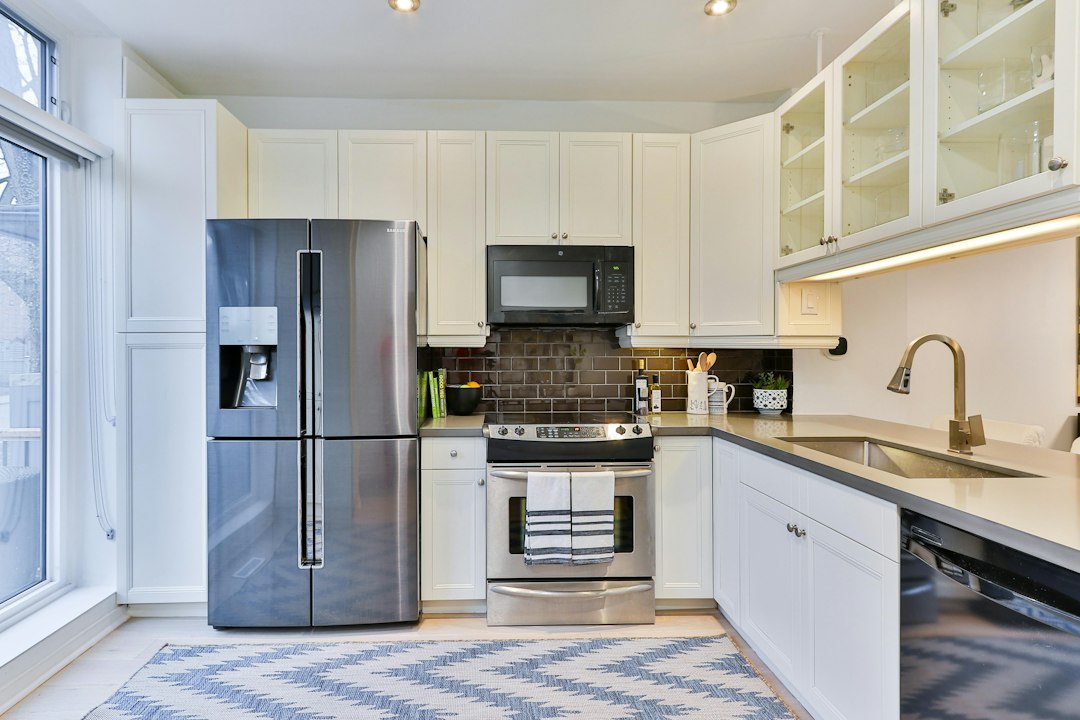
- Preferred Color Temperatures: 3500K – 4500K. The cooler end of the neutral white spectrum often complements the crispness and sterility often associated with modern design. It enhances the reflective qualities of metallic surfaces and brings out the true colors of white or gray cabinetry.
- Why it works: It reinforces the sleek, uncluttered feel. It also provides excellent visibility for high-tech appliances and sharp architectural details. Going too warm can make these spaces feel dated or dull.
Traditional and Farmhouse Kitchens
These styles embrace warmth, natural materials like wood and stone, and often feature decorative elements.
- Preferred Color Temperatures: 2700K – 3000K. A warmer light complements the cozy, inviting nature of these kitchens. It brings out the rich tones of wood, highlights natural textures, and creates a sense of comfort.
- Why it works: It enhances the rustic charm and makes the space feel more lived-in and welcoming. Cooler lights can make these kitchens feel less authentic and perhaps a bit cold.
Transitional Kitchens
Blending elements of both modern and traditional styles, transitional kitchens offer a balanced aesthetic.
- Preferred Color Temperatures: 3000K – 3500K. This middle-ground range provides flexibility. It’s warm enough to feel inviting but neutral enough to maintain clarity and showcase a mix of materials.
- Why it works: It allows the various elements to shine without one overwhelming the other. Dimmable options are particularly useful here to shift the mood as needed.
Impact on Cabinetry and Countertop Colors
The light color temperature directly influences how your kitchen’s surfaces appear.
- Warm lights (2700K-3000K): Can bring out the yellow or red undertones in wood cabinets, making them look richer. White cabinets might appear creamier. Dark countertops can look softer.
- Neutral lights (3500K-4000K): Offer a more accurate representation of colors. White cabinets will look pure white, grays will be true gray. This range is generally safe for most material palettes.
- Cool lights (4500K+): Can make white cabinets appear very stark or even slightly blue. They can make cool-toned grays and blues pop, but might wash out warmer wood tones, making them look dull.
The Importance of Dimmers and Layered Lighting
Rarely does a kitchen function perfectly with just one type of light or one fixed color temperature. The most effective kitchen lighting schemes employ layers of light, often with dimming capabilities, to adapt to different scenarios.
Why Layering Lighting is Crucial
Think of your kitchen lighting like an orchestra. You need different sections (task, ambient, accent) playing together to create a harmonious experience.
- Versatility: A layered approach allows you to adjust the lighting for various activities – bright for cooking, softer for dining, focused for reading a recipe.
- Visual Interest: Different light sources at varying intensities and even subtle color temperatures add depth and make the room more engaging.
- Eliminating Shadows: Multiple light sources from different angles help to minimize harsh shadows, especially important when working at countertops.
The Power of Dimmers
Dimmers are perhaps one of the most underrated tools in home lighting, especially in a kitchen.
- Mood Control: Easily transition from bright, energetic task lighting to a warm, intimate glow for entertaining or a late-night snack. A 3000K light, when dimmed significantly, will often feel warmer than its original temperature, mimicking the effect of a lower Kelvin.
- Energy Savings: Dimming lights reduces their energy consumption, extending bulb life and saving on electricity bills.
- Adjusting Perceived Color Temperature: While a dimmer doesn’t actually change the Kelvin rating of an LED bulb, it can significantly alter its perceived warmth. A 3500K light, when dimmed, will feel much cozier than its full brightness. Some smart bulbs even offer “tuneable white” features, allowing you to actually shift the Kelvin output.
Examples of Layered Lighting in a Kitchen
Let’s break down how different light types and temperatures can work together:
- General Ambient: Recessed LED lights at 3000K on a dimmer switch, providing a base level of comfortable illumination for the entire room.
- Task Lighting: Under-cabinet LED strips at 3800K, providing focused, clear light directly onto the countertops for chopping and prep work. These might be on their own switch for independent control.
- Island Pendants: Two or three pendant lights above the island, perhaps at 3500K (also on a dimmer), offering additional task lighting for the island or acting as a decorative element when dimmed for ambiance.
- Accent Lighting: Small puck lights inside glass-front cabinets or directional spotlights aimed at a beautiful backsplash, using 2700K bulbs to create a warm glow and highlight features. These would be on their own switch.
By combining these elements, you gain ultimate control over your kitchen’s atmosphere and functionality throughout the day and for various occasions.
Testing and Fine-Tuning Your Kitchen Lighting
Choosing light bulbs without trying them out in your actual space is a bit like buying paint without swatches. The same bulb can look drastically different in different kitchens due to existing light, wall colors, and materials.
Why You Need to Test
- Environmental Factors: Your kitchen’s natural light exposure (north-facing, south-facing), wall color, cabinet finishes, and countertop materials all absorb and reflect light differently. A 3500K bulb might look perfect in a kitchen with white cabinets but slightly cool in a kitchen with warm wood tones.
- Personal Preference: What one person finds “cozy” another might find “too yellow,” and what feels “bright and clear” to some might feel “sterile” to others. Lighting is subjective.
- Food Appearance: Testing different temperatures is vital for seeing how your food will actually look under the light. You want your culinary creations to look appetizing, not sickly or oddly colored.
How to Conduct a Simple Test
Don’t buy all your bulbs at once. Instead, grab a few samples.
- Choose a Few Kelvin Options: Based on your kitchen style and functional needs, select 2-3 different Kelvin temperatures that seem most appropriate. For example, you might try 2700K, 3000K, and 3500K.
- Use Dimmable Bulbs (if possible): If you plan to use dimmers, test dimmable versions of these bulbs. Dimming can significantly alter the perceived warmth.
- Install One or Two: Replace a couple of your existing bulbs in key areas (e.g., above a main work surface or general ceiling fixture) with your test bulbs.
- Observe at Different Times:
- Daylight: See how the light interacts with natural light during the day.
- Evening (No Natural Light): Observe the light’s effect when it’s the sole source of illumination.
- Perform Tasks: Chop vegetables, read a recipe, or clean a dish to see how well you can see and if there’s any eye strain.
- Place Food: Put out some fruit, a prepared dish, or even just some ingredients to see how their colors are represented.
- Observe Materials: Look at your cabinet doors, countertops, and backsplash. Do they look true to color, or are they picking up unwanted tints?
- Get a Second Opinion: Ask family members or friends for their impressions. What feels comfortable to you might feel different to others who use the space.
Making Adjustments and Final Decisions
After your testing period, you should have a clearer idea of what works best.
- Combine Temperatures: Don’t be afraid to mix and match. You might decide on 3500K for under-cabinet task lighting but prefer 3000K for your main ceiling lights for a softer ambient glow.
- Prioritize Function: If it’s a heavily used cooking kitchen, don’t sacrifice clarity for coziness in your task areas.
- Consider Future Changes: If you plan to repaint or renovate, remember that the new colors will impact how your lights appear.
- LED Technology: Modern LED bulbs offer consistent color temperature, long lifespan, and energy efficiency. They are the ideal choice for most kitchen lighting projects. Look for a high Color Rendering Index (CRI) – 90+ is excellent for kitchens, ensuring colors appear vibrant and true to life.
By taking the time to understand color temperature, plan for layered lighting, and test your choices, you’ll create a kitchen ambiance that is both functional and perfectly tailored to your home.