
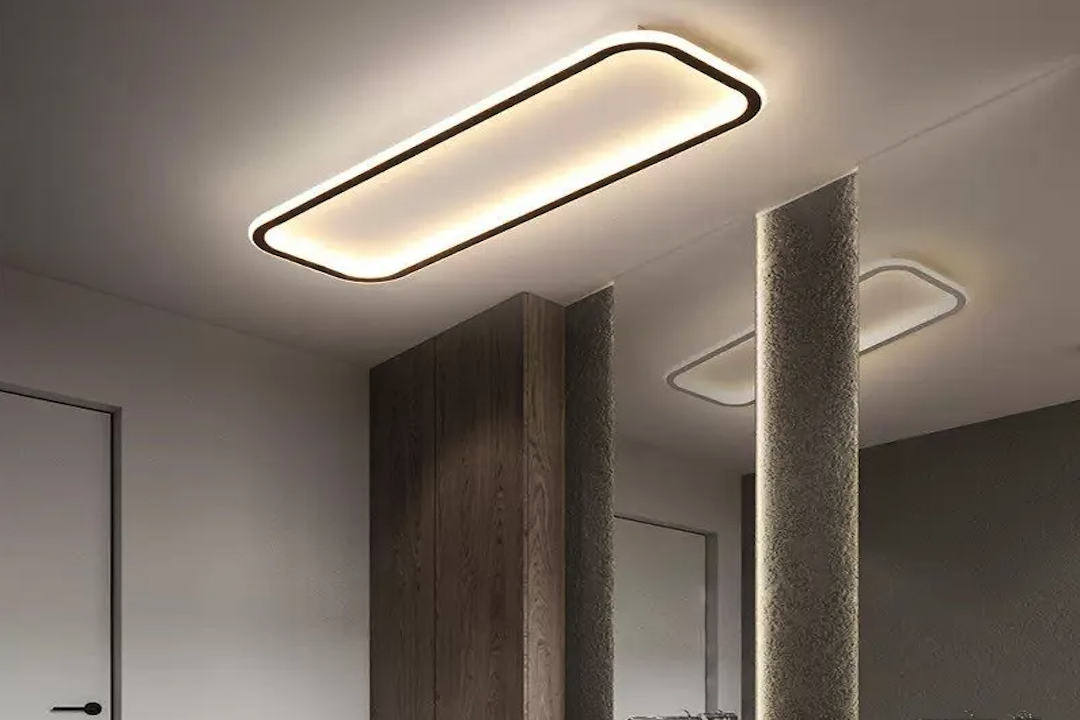
The installation of shower ceiling lights is a practical measure that can significantly improve bathroom safety. While often overlooked in favor of aesthetics or task lighting, adequate illumination in the shower area is crucial for preventing accidents and creating a more secure environment. This article will explore the multifaceted benefits of shower ceiling lights, the considerations for their selection and installation, and their role in promoting overall bathroom accessibility.
The shower enclosure, whether a dedicated stall or a bathtub with a shower, presents a unique set of safety challenges. Water, soap, and the enclosed nature of the space can create a low-visibility zone, increasing the risk of slips and falls. Traditional bathroom lighting Yigo, often positioned outside the shower area, may not adequately penetrate the steam and water spray to illuminate the floor and immediate surroundings. Shower ceiling lights directly address this issue by providing focused, overhead illumination. Think of it like a lighthouse in a foggy harbor; it provides a clear beam where it’s needed most. This targeted lighting reduces shadow play, which can obscure potential hazards such as wet floor surfaces, soap residue, or the edges of fixtures.
Reducing Slip and Fall Incidents
The primary safety benefit of shower ceiling lights is their direct impact on reducing slip and fall incidents. Wet surfaces in bathrooms are notoriously slippery. When combined with poor lighting, the risk escalates. A well-lit shower allows individuals to see precisely where they are stepping, identifying any slick spots or uneven surfaces. This is particularly important for:
- Children: Their developing coordination can be compromised in a dimly lit, wet environment.
- Elderly individuals: Age-related changes in vision, balance, and mobility make them more susceptible to falls.
- Individuals with disabilities: Impaired vision or mobility can make navigating a dark shower exceptionally dangerous.
The perceived safety of a well-lit shower can also contribute to a sense of greater control and confidence for users, further mitigating the unconscious tension that might otherwise increase the risk of an accident. It transforms a potentially treacherous area into a more predictable and manageable space.
Mitigating Hazards from Fixtures and Surfaces
Beyond slippery floors, poorly lit showers can conceal other hazards. The edges of shower bases, the corners of bathtubs, and even the placement of soap dishes or shampoo caddies can become invisible trip hazards in dim light. Shower ceiling lights cast light downwards, revealing these critical structural elements and accessories, allowing users to navigate around them safely. This is akin to having a spotlight on potential obstacles, making them impossible to miss. The smooth, often reflective surfaces of shower tiles and glass enclosures can also create glare in the absence of targeted lighting, further obscuring vision. Strategically placed ceiling lights can help to break up this glare and provide a more even distribution of light.
Enhancing Overall Bathroom Visibility and Atmosphere
While safety is paramount, shower ceiling lights also contribute to a more pleasant and functional bathroom environment. Adequate lighting can make the entire bathroom feel more spacious and inviting. It also improves the ability to perform tasks such as showering, washing hair, and shaving. A dark, confined shower space can feel claustrophobic. Conversely, a well-lit one can promote relaxation and a sense of cleanliness. The psychological impact of good lighting should not be underestimated; it can contribute to a more positive and stress-free experience.
Types of Shower Ceiling Lights: Functionality Meets Design
The market offers a variety of lighting solutions for shower ceilings, each with its own characteristics and suitability for different bathroom designs. The key consideration is selecting fixtures that are designed for damp or wet environments, ensuring both safety and longevity.
In-Ceiling Recessed Lights (Can Lights)
Recessed lights, often referred to as “can lights,” are a popular choice for their unobtrusive appearance and widespread illumination. When installed in a shower ceiling, they create a clean, minimalist look.
Wet-Rated vs. Damp-Rated Fixtures
It is crucial to differentiate between “wet-rated” and “damp-rated” fixtures.
- Wet-rated fixtures are designed to withstand direct contact with water, making them ideal for the interior of a shower enclosure where they may be exposed to spray. They typically feature sealed housings and appropriate wire connectors to prevent water ingress.
- Damp-rated fixtures are suitable for areas where moisture is present but direct water contact is unlikely, such as bathrooms outside the immediate shower area or areas with high humidity. While some damp-rated fixtures may survive in a shower, their lifespan and safety under direct spray are not guaranteed.
LED Technology for Shower Lighting
Light Emitting Diode (LED) technology has become the standard for modern lighting, and shower ceilings are no exception. LEDs offer several advantages:
- Energy Efficiency: LEDs consume significantly less energy than traditional incandescent or halogen bulbs, leading to lower electricity bills.
- Longevity: LED bulbs have a much longer lifespan, reducing the need for frequent replacements, which is particularly convenient in hard-to-reach ceiling installations.
- Durability: LEDs are solid-state devices, making them more resistant to shock and vibration than filament-based bulbs.
- Color Temperature Options: LEDs are available in a wide range of color temperatures, allowing for the creation of different moods. For bathrooms, a neutral to slightly warm white (around 2700K to 3500K) is generally preferred for a pleasant and functional atmosphere. Brighter, cooler whites (4000K and above) can provide a more clinical, task-oriented light.
- Low Heat Output: LEDs produce very little heat, which is beneficial in a confined and already warm shower environment, contributing to increased comfort and reducing the risk of heat-related component failure.
Beam Angle Considerations
The beam angle of a recessed light determines the spread of the light. For shower ceilings, a wider beam angle (e.g., 90-120 degrees) is generally preferred to provide broader illumination across the shower floor and walls. Narrower beam angles can create more focused pools of light, which might be less effective for general safety and potentially create darker spots.
Surface-Mounted Shower Lights
Surface-mounted lights are installed on the surface of the ceiling rather than recessed into it. They can offer a more decorative element and are often easier to install than recessed fixtures.
Low-Profile Designs
Many modern surface-mounted shower lights feature low-profile designs that minimize their protrusion from the ceiling, maintaining a sleek aesthetic. These can include flush-mount fixtures or semi-flush mounts.
Integrated LED Fixtures
Similar to recessed lighting, integrated LED surface-mounted fixtures are common. This means the LED light source is built into the fixture itself, eliminating the need for replacement bulbs.
Differentiated Aesthetics
Surface-mounted fixtures come in a wider array of styles and finishes than recessed lighting. This allows for greater customization to match the overall bathroom decor. However, it is still paramount to ensure they are rated for damp or wet locations.
Integrated Shower Systems with Lighting
Some manufacturers offer integrated shower systems that include built-in lighting as part of the showerhead, wall panel, or ceiling unit. These can provide a high level of design cohesion and advanced features.
Smart Lighting Capabilities
Advanced integrated systems may offer smart lighting capabilities, allowing for control via smartphone apps, voice commands, or integration with smart home systems. This can include features like dimming, color temperature adjustment, and even pre-programmed lighting scenes for different activities or moods.
Waterproof Design and Installation
The primary advantage of these integrated systems is their inherent waterproof design. They are engineered to function seamlessly within the humid and wet environment of a shower, with the lighting components meticulously sealed to prevent water intrusion. Installation is typically part of a larger plumbing and electrical project.
Installation Considerations for Shower Ceiling Lights
Proper installation is as critical as the choice of fixture for ensuring both safety and functionality. Electrical work in bathrooms, especially in wet areas, requires adherence to strict codes and best practices.
Electrical Safety Codes and Regulations
Bathrooms are classified as high-risk areas for electrical hazards due to the presence of water. Building codes, such as the National Electrical Code (NEC) in the United States, have specific requirements for electrical installations in bathrooms and wet locations.
Ground Fault Circuit Interrupters (GFCIs)
A key safety feature mandated for bathroom electrical circuits is the use of Ground Fault Circuit Interrupters (GFCIs). GFCI outlets and breakers are designed to detect a difference in the electrical current flowing in a circuit. If a fault occurs, such as electricity flowing through water or a person, the GFCI will rapidly shut off the power, significantly reducing the risk of electric shock. All light fixtures in a bathroom, and particularly those within or near the shower, should be connected to a GFCI-protected circuit.
Wiring and Fixture Placement
Wiring for shower ceiling lights must be installed within appropriate conduit or protected cables as per electrical codes. Fixture placement should also consider:
- Distance from Water Sources: While wet-rated fixtures can withstand direct spray, it is still good practice to position them so they are not constantly deluged. For instance, avoiding direct placement directly under a high-pressure showerhead is advisable.
- Avoidance of Directly Above Controls: Placing lights directly above shower controls might lead to water dripping onto users when they adjust the temperature, which can be uncomfortable and potentially pose a minor safety concern.
Professional Installation vs. DIY
Electrical work can be complex and dangerous if not performed correctly. For shower ceiling lights, professional installation by a qualified electrician is strongly recommended.
Expertise in Wet Environment Regulations
Electricians have the necessary knowledge of electrical codes and safety regulations specific to wet environments. They understand the proper wiring techniques, the importance of GFCIs, and the correct sealing methods to ensure water does not compromise the electrical system.
Ensuring Proper Sealing and Waterproofing
A professional installer will ensure that all fixtures are properly sealed to the ceiling opening and that any wiring connections are waterproofed to prevent moisture ingress. This is a critical step that is often overlooked or improperly executed in DIY installations.
Minimizing Risk of Damage
Improper installation can lead to damage to the ceiling, the lighting fixture, or the electrical system itself. A qualified electrician can install the lights efficiently and safely, minimizing the risk of any collateral damage.
Maintenance and Accessibility
While LED lights are long-lasting, occasional maintenance or replacement might still be necessary. Consider the accessibility of the fixture.
Ease of Access for Future Maintenance
If a fixture does require maintenance or replacement, the ease with which it can be accessed is important. Recessed lights installed in accessible ceiling areas are generally easier to service than those in more confined or complex ceiling structures.
Considering Ventilation and Heat Dissipation
Ensure that the chosen fixtures allow for adequate ventilation and heat dissipation, especially for LED lights, which, while producing less heat than older technologies, still generate some warmth. Proper airflow around the fixture can prolong its lifespan and ensure safe operation.
Enhancing Accessibility and Inclusivity with Shower Lighting
Beyond general safety, improved shower lighting plays a significant role in making bathrooms more accessible and inclusive for individuals with diverse needs.
Improving Visibility for Visually Impaired Individuals
For individuals with low vision or other visual impairments, consistent and adequate lighting is essential. Poorly lit environments can exacerbate their challenges, making simple tasks like showering feel daunting.
Reducing Glare and Increasing Contrast
Shower ceiling lights, when strategically placed and diffused, can help reduce harsh glare and increase the contrast between surfaces. This makes it easier for visually impaired individuals to distinguish between different textures and depths, aiding in navigation.
Creating a Predictable Visual Environment
A well-lit shower provides a consistent visual cue, allowing individuals to build a mental map of the space. This predictability reduces the cognitive load associated with navigating a potentially hazardous environment.
Supporting Individuals with Mobility Challenges
Those with mobility issues often rely on visual cues to maintain balance and stability. Dim lighting can increase their uncertainty and risk of falls.
Illuminating Obstacles and Transitions
Clear illumination of the shower floor, the edges of the shower enclosure, and any transition points (like a curb or threshold) helps individuals with mobility challenges identify potential obstacles and navigate them with greater confidence.
Providing a Sense of Security and Independence
Adequate lighting contributes to a sense of security and fosters independence in the bathroom. When individuals feel safe and capable of navigating the space, their overall well-being and ability to manage daily personal care are significantly enhanced.
Creating a Calming and Secure Environment for All
Ultimately, a well-lit shower fosters a sense of calm and security for all users. It transforms a functional space into one that supports well-being.
Reducing Anxiety and Stress
The fear of slipping or falling can be a source of anxiety for many. Bright, clear lighting can alleviate this fear, making the showering experience more relaxing and enjoyable.
Promoting a Sense of Cleanliness and Hygiene
Good lighting also enhances the perception of cleanliness and hygiene within the bathroom. It allows users to see the space clearly, reinforcing the feeling of a well-maintained and sanitary environment.
Beyond the Shower: Broader Bathroom Lighting Strategies
While shower ceiling lights are a critical component of bathroom safety, they are most effective when integrated into a cohe
sive lighting plan for the entire bathroom. A layered approach, combining general ambient lighting with task lighting, can create a truly safe and functional space.
Ambient Lighting for Overall Illumination
Ambient lighting provides the general illumination for the bathroom. This is the base layer of light that sets the overall mood and brightness of the room.
Ceiling Fixtures Outside the Shower
Overhead fixtures like flush mounts, semi-flush mounts, or chandeliers (if installed with an appropriate rating and safe distance from water) can provide general ambient light for the main bathroom area.
Wall Sconces for Even Light Distribution
Wall sconces, often placed on either side of a mirror, can provide soft, diffused light that reduces shadows and creates an inviting atmosphere.
Task Lighting for Specific Activities
Task lighting is focused illumination designed for specific activities, such as grooming at the vanity or shaving.
Vanity Lighting
The most common form of task lighting in a bathroom is around the vanity mirror. This ensures that the face is well-lit for activities like applying makeup, shaving, or brushing teeth.
- Overhead Vanity Lights: Lights positioned directly above the mirror can be effective, but may cast shadows on the face.
- Sidelighting: Lights placed on either side of the mirror at face level are generally considered ideal for reducing shadows and providing even illumination.
Specialized Lighting Needs
Some individuals may have specific task lighting needs beyond the typical vanity area. This could include, for example, a focused light near a bidet or a reading light in a seating area if the bathroom is large enough to incorporate one.
Integrating Controls for Enhanced Safety and Convenience
The type and placement of light controls can also contribute to bathroom safety and convenience.
Dimmer Switches
Dimmer switches allow users to adjust the brightness of the lights to suit their needs and preferences. This can be particularly useful in a bathroom, allowing for brighter light for tasks and dimmer light for relaxation or at night.
Occupancy Sensors and Timers
Occupancy sensors can automatically turn lights on when someone enters the bathroom and off when the room is vacant. This is a convenient feature that also saves energy and can provide an added layer of safety by ensuring the bathroom is lit when needed. Timers can be used for specific lights, such as exhaust fans with integrated lighting, to ensure they operate for a designated period.
Dual-Purpose Fixtures
Consider fixtures that offer multiple lighting functions, such as exhaust fans with integrated LED lights. This can streamline installation and provide a clean, cohesive look.
The Future of Shower Lighting: Smart Technologies and Sustainable Solutions
The evolution of lighting technology, particularly in the realm of smart home integration and sustainability, continues to influence bathroom design, including shower lighting.
Smart Bathroom Lighting Systems
The integration of smart technology into bathroom lighting offers unprecedented control and customization, further enhancing the user experience and safety.
Voice and App Control
Smart shower lights can be controlled via voice commands through virtual assistants (like Alexa or Google Assistant) or through dedicated smartphone applications. This allows users to adjust brightness, color temperature, or turn lights on/off without needing to physically interact with switches, which can be beneficial for individuals with limited mobility.
Scene Setting and Automation
Smart systems enable the creation of custom lighting “scenes.” For example, a “morning” scene might provide bright, energizing light, while a “relaxation” scene could offer a softer, warm glow. Furthermore, automation can be set up, so lights adjust based on the time of day, occupancy, or even the presence of steam.
Integration with Other Smart Devices
Shower lighting can be integrated into broader smart home ecosystems. This means lights could, for instance, automatically dim when a smart speaker begins playing music, or a smart shower system could adjust lighting as part of its pre-set programs.
Sustainable Lighting Practices
As the focus on environmental responsibility grows, sustainable lighting solutions are becoming increasingly important in all areas of the home, including the bathroom.
Energy Efficiency of LED Technology
As previously discussed, LEDs are inherently energy-efficient. Continued advancements in LED technology are leading to even greater efficiency and lower energy consumption, reducing the overall carbon footprint of bathroom lighting.
Long Lifespan and Reduced Waste
The extended lifespan of LED bulbs significantly reduces the frequency of replacements, thus minimizing waste generated from discarded bulbs. This contributes to a more sustainable approach to lighting.
Material Choices and Recyclability
Manufacturers are increasingly considering the materials used in light fixtures, prioritizing recyclable components and eco-friendly manufacturing processes. When selecting shower ceiling lights, it is worth considering products that align with sustainable design principles.
Innovative Shower Lighting Designs
Beyond the functional aspects, lighting is increasingly being used as a design element to enhance the aesthetic appeal of shower spaces.
Integrated LED Strips and Accents
LED strips can be integrated into shower niches, along ceiling coves, or around the edges of shower enclosures to create subtle accent lighting. These can provide a sophisticated ambiance and contribute to the overall visual appeal without compromising safety.
Color-Changing LED Options
While perhaps more focused on ambiance than safety, color-changing LEDs offer a unique aesthetic dimension. For safety applications, maintaining a neutral or warm white light is generally recommended. However, for mood setting or specific therapeutic applications, color-changing options can be explored, provided they meet necessary safety and waterproofing standards.
Waterproof and Corrosion-Resistant Materials
The development of advanced waterproof and corrosion-resistant materials is crucial for the longevity and safety of shower lighting. These materials ensure that fixtures can withstand the harsh conditions of a bathroom environment over extended periods, maintaining their integrity and performance.
In conclusion, the installation of shower ceiling lights is a vital step in transforming the bathroom into a safer, more accessible, and more comfortable space. By understanding the available options, adhering to installation best practices, and considering the broader context of bathroom lighting design, one can create an environment that prioritizes both safety and well-being for all users.