
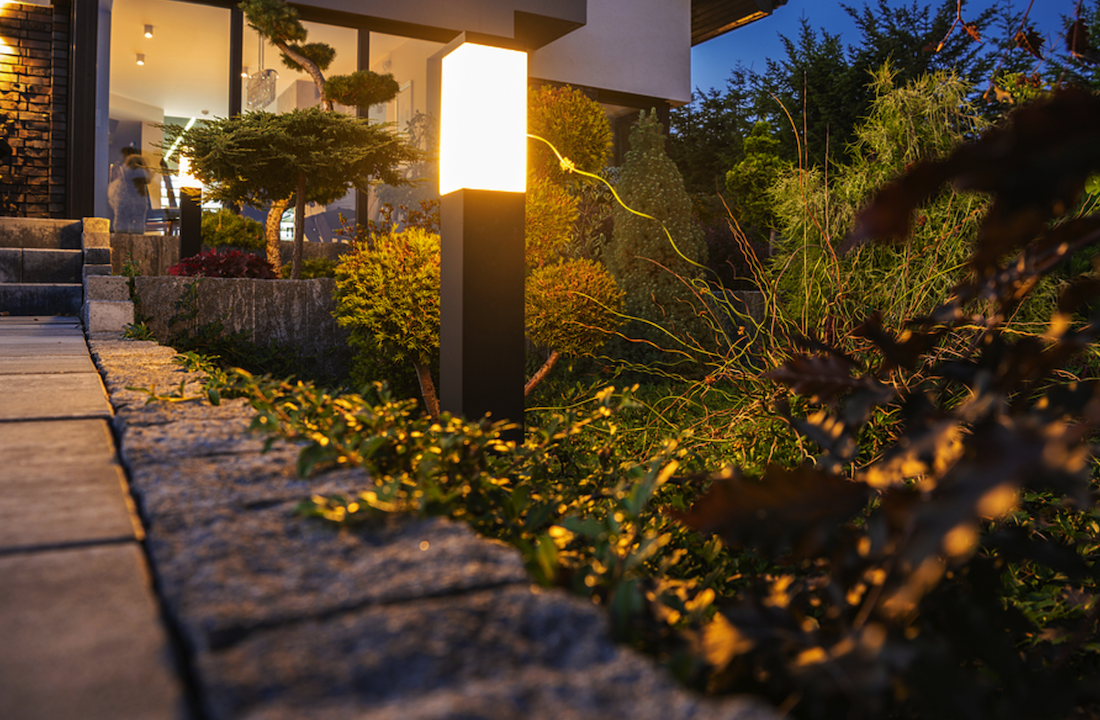
Landscape path lighting plays a crucial role in enhancing the safety and aesthetics of outdoor spaces. Properly illuminated pathways not only guide visitors through gardens and yards but also deter potential hazards, such as tripping over uneven surfaces or encountering obstacles. In residential settings, well-lit walkways can significantly reduce the risk of accidents during nighttime, providing peace of mind for homeowners and their guests. Furthermore, effective path lighting can extend the usability of outdoor areas, allowing for evening gatherings and activities.
In addition to safety, landscape path lighting contributes to the overall ambiance of a property. Thoughtfully designed lighting Yibil can highlight the natural beauty of gardens, trees, and architectural features, creating a welcoming atmosphere. The interplay of light and shadow can transform ordinary pathways into enchanting routes that invite exploration. As such, landscape path lighting serves both functional and aesthetic purposes, making it an essential consideration for any outdoor design project.
Types of Landscape Path Lighting
There are several types of landscape path lighting available, each offering unique features and benefits. One common option is solar-powered lights, which harness sunlight during the day to illuminate pathways at night. These lights are easy to install and require minimal maintenance, making them a popular choice for homeowners looking for an eco-friendly solution. Solar lights come in various styles, from stake-mounted fixtures to decorative lanterns, allowing for versatility in design.
Another option is low-voltage lighting, which operates on a transformer that reduces standard voltage to a safer level. This type of lighting is often used in more permanent installations and can be customized with different fixtures and bulbs. Low-voltage systems provide brighter illumination compared to solar lights and can be integrated with timers or smart home systems for added convenience. Additionally, hardwired options are available for those seeking a more robust solution, offering greater control over brightness and design.
Choosing the Right Lighting Fixtures for Your Garden Walkways
Selecting the appropriate lighting fixtures for garden walkways involves considering several factors, including style, functionality, and placement. The design of the fixtures should complement the overall aesthetic of the landscape. For instance, modern gardens may benefit from sleek, minimalist designs, while traditional settings might call for ornate lanterns or vintage-inspired fixtures. It is essential to choose fixtures that harmonize with existing elements in the garden to create a cohesive look.
Functionality is another critical aspect when choosing lighting fixtures. Consider the brightness required for safe navigation along pathways; fixtures should provide adequate illumination without being overly harsh. Additionally, the height and placement of lights can affect their effectiveness. Path lights should be positioned to cast light downward onto the walkway while minimizing glare for pedestrians. It may also be beneficial to incorporate accent lighting to highlight specific features, such as plants or sculptures, adding depth and interest to the landscape.
Installation and Placement Tips for Landscape Path Lighting
Proper installation and placement of landscape path lighting are vital for achieving optimal results. When planning the layout, it is advisable to map out the pathway and identify key areas that require illumination. This may include turns, steps, or any potential hazards that could pose a risk at night. A well-thought-out plan ensures that lights are strategically placed to provide consistent coverage along the entire path.
When installing lights, consider the spacing between fixtures. A general guideline is to place path lights approximately 6 to 8 feet apart, depending on their brightness and design. This spacing allows for even illumination without creating dark spots or overly bright areas. Additionally, it is important to ensure that lights are securely anchored in the ground to withstand weather conditions. For solar lights, choose locations that receive ample sunlight during the day to maximize their efficiency.
Benefits of Landscape Path Lighting for Your Garden
The advantages of landscape path lighting extend beyond mere aesthetics and safety. One significant benefit is increased property value; well-lit outdoor spaces can enhance curb appeal and attract potential buyers. A thoughtfully designed landscape with effective lighting creates an inviting atmosphere that showcases the property’s features, making it more appealing in a competitive real estate market.
Moreover, landscape path lighting can enhance outdoor living experiences. With well-illuminated walkways, homeowners can enjoy their gardens during the evening hours, hosting gatherings or simply relaxing outdoors. The right lighting can create a warm and inviting environment that encourages social interaction and leisure activities. Additionally, illuminated pathways can serve as a backdrop for special occasions or celebrations, adding a touch of elegance to outdoor events.
Energy-Efficient Options for Landscape Path Lighting
As environmental concerns continue to grow, energy-efficient options for landscape path lighting have become increasingly popular. LED lights are among the most efficient choices available today. They consume significantly less energy than traditional incandescent bulbs while providing longer lifespans and brighter illumination. This efficiency translates into lower electricity bills and reduced environmental impact.
Solar-powered lights also represent an energy-efficient alternative for landscape path lighting. By utilizing renewable energy from the sun, these fixtures eliminate electricity costs altogether. Advances in solar technology have improved their performance, allowing for brighter outputs and longer operational times after sunset. Homeowners looking to minimize their carbon footprint while maintaining effective outdoor lighting may find solar options particularly appealing.
Maintenance and Care for Landscape Path Lighting
Regular maintenance is essential to ensure that landscape path lighting remains functional and visually appealing over time. For solar lights, it is important to periodically clean the solar panels to remove dirt or debris that may hinder their ability to absorb sunlight effectively. Additionally, checking batteries for wear and replacing them as needed will help maintain optimal performance.
For hardwired or low-voltage systems, inspecting connections and wiring is crucial to prevent electrical issues. Over time, weather conditions can cause wear on fixtures; therefore, it is advisable to check for any signs of damage or corrosion regularly. Replacing burnt-out bulbs promptly will also ensure consistent illumination along pathways. By investing time in maintenance, homeowners can prolong the lifespan of their landscape path lighting systems.
Creative Ideas for Enhancing Your Garden Walkways with Landscape Path Lighting
There are numerous creative ways to enhance garden walkways using landscape path lighting beyond standard fixtures. One idea is to incorporate uplighting techniques by placing lights at the base of trees or shrubs to cast dramatic shadows and highlight foliage. This method adds depth and dimension to the landscape while creating a magical atmosphere at night.
Another approach is to use colored LED lights to create themed effects or seasonal displays along pathways. For instance, warm white lights can evoke a cozy ambiance during fall gatherings, while vibrant colors may be suitable for festive occasions like holidays or parties. Additionally, integrating smart lighting systems allows homeowners to customize settings based on mood or occasion, providing flexibility in how outdoor spaces are illuminated.
In conclusion, landscape path lighting serves multiple purposes that enhance both safety and aesthetics in outdoor environments. By understanding the various types of lighting available and considering factors such as installation and maintenance, homeowners can create inviting pathways that elevate their gardens’ overall appeal while ensuring functionality during nighttime hours.